Awaken Your Inner Peace Through Yoga and Mindfulness

In a world filled with constant distractions and overwhelming responsibilities, finding inner peace can feel like an elusive goal. Many people are searching for ways to reconnect with themselves and cultivate a sense of calm amidst the chaos. One powerful method to achieve this is through yoga and mindfulness. These practices not only promote physical well-being but also enhance mental clarity and emotional stability. In this blog post, we will explore how you can awaken your inner peace through yoga and mindfulness, providing practical tips and insights along the way.
Understanding Yoga and Mindfulness
What is Yoga?
Yoga is an ancient practice that combines physical postures, breathing techniques, and meditation. It originated in India over 5,000 years ago and has evolved into various styles and forms. The primary goal of yoga is to create harmony between the body, mind, and spirit.
Some popular styles of yoga include:
Hatha Yoga: Focuses on physical postures and breathing.
Vinyasa Yoga: Emphasizes fluid movement and breath synchronization.
Ashtanga Yoga: A rigorous style that follows a specific sequence of postures.
Yin Yoga: Involves holding poses for extended periods to enhance flexibility and relaxation.
What is Mindfulness?
Mindfulness is the practice of being fully present in the moment, without judgment. It encourages individuals to observe their thoughts, feelings, and sensations with acceptance. Mindfulness can be cultivated through various techniques, including meditation, breathing exercises, and mindful movement.
The Connection Between Yoga and Mindfulness
Yoga and mindfulness complement each other beautifully. While yoga provides a physical outlet for stress relief, mindfulness enhances the mental aspect of the practice. Together, they create a holistic approach to achieving inner peace.
The Benefits of Yoga and Mindfulness
Physical Benefits
Improved Flexibility: Regular yoga practice increases flexibility, reducing the risk of injury.
Strength Building: Many yoga poses require strength, helping to tone muscles and improve overall fitness.
Better Posture: Yoga encourages awareness of body alignment, leading to better posture and reduced back pain.
Mental Benefits
Reduced Stress: Both yoga and mindfulness have been shown to lower cortisol levels, the hormone associated with stress.
Enhanced Focus: Mindfulness practices improve concentration and cognitive function.
Emotional Regulation: Engaging in these practices can lead to greater emotional stability and resilience.
Spiritual Benefits
Increased Self-Awareness: Yoga and mindfulness encourage introspection, helping individuals understand themselves better.
Connection to the Present: These practices foster a deeper connection to the present moment, promoting a sense of peace and contentment.
Getting Started with Yoga and Mindfulness
Creating a Dedicated Space
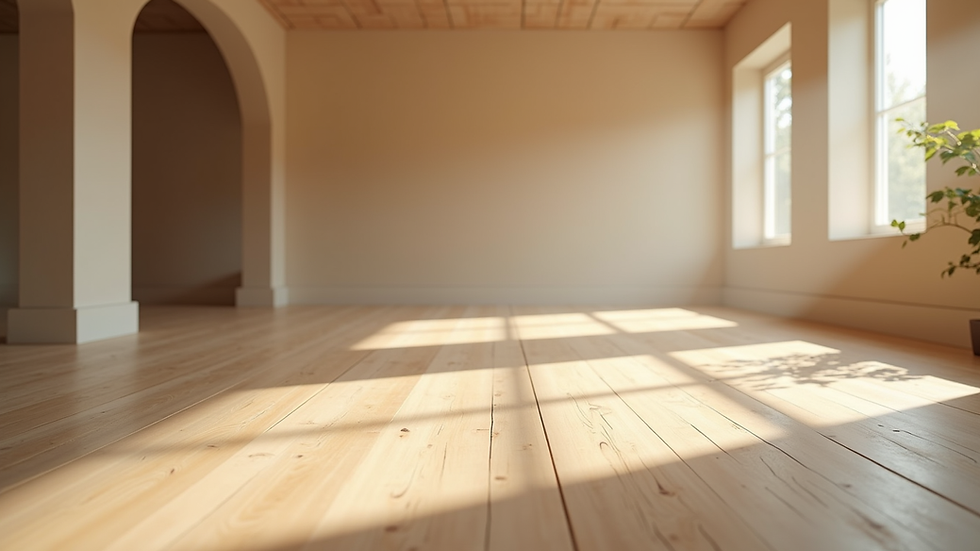
To cultivate a regular practice, it’s essential to create a dedicated space for yoga and mindfulness. This space should be free from distractions and filled with items that inspire calmness, such as plants, candles, or soft lighting.
Establishing a Routine
Consistency is key when it comes to yoga and mindfulness. Here are some tips to help you establish a routine:
Set a Schedule: Choose specific days and times for your practice.
Start Small: Begin with short sessions, gradually increasing the duration as you become more comfortable.
Use Online Resources: There are numerous apps and websites offering guided yoga and mindfulness sessions.
Incorporating Mindfulness into Daily Life
Mindfulness doesn’t have to be limited to your yoga practice. Here are some ways to incorporate mindfulness into your daily routine:
Mindful Eating: Pay attention to the flavors, textures, and sensations of your food.
Mindful Walking: Focus on the feeling of your feet touching the ground and the rhythm of your breath as you walk.
Breath Awareness: Take a few moments throughout the day to focus on your breath, noticing the inhale and exhale.
Exploring Different Yoga Styles
Hatha Yoga for Beginners
Hatha yoga is an excellent starting point for beginners. It focuses on basic postures and breathing techniques, making it accessible for all fitness levels. Classes typically involve a slower pace, allowing you to learn the fundamentals of yoga.
Vinyasa Yoga for Flow
If you enjoy movement and rhythm, Vinyasa yoga may be the perfect fit. This style links breath with movement, creating a dynamic flow. It can be invigorating and energizing, making it a great option for those looking to build strength and flexibility.
Yin Yoga for Deep Relaxation
Yin yoga is ideal for those seeking deep relaxation and stress relief. This style involves holding poses for several minutes, allowing the body to release tension and improve flexibility. It’s a wonderful complement to more active forms of yoga.
Mindfulness Techniques to Enhance Your Practice
Meditation
Meditation is a core component of mindfulness. It involves focusing your mind and eliminating distractions. Here are a few simple meditation techniques to try:
Breath Awareness: Sit comfortably and focus on your breath. Notice the sensation of the air entering and leaving your body.
Body Scan: Lie down and mentally scan your body from head to toe, noticing any areas of tension or discomfort.
Guided Meditation: Use apps or online resources for guided meditation sessions that can help you stay focused.
Journaling
Journaling is a powerful tool for self-reflection and mindfulness. Take a few minutes each day to write down your thoughts, feelings, and experiences. This practice can help you gain clarity and insight into your emotions.
Mindful Movement
Incorporate mindfulness into your physical activities. Whether you’re walking, running, or practicing yoga, focus on the sensations in your body and the rhythm of your breath. This can enhance your overall experience and promote a sense of peace.
Overcoming Challenges in Your Practice
Staying Committed
It’s common to face challenges when starting a new practice. Here are some tips to stay committed:
Set Realistic Goals: Focus on achievable goals rather than perfection.
Find a Community: Join a yoga class or mindfulness group to connect with others and stay motivated.
Be Patient: Progress takes time. Celebrate small victories along the way.
Dealing with Distractions
Distractions can hinder your practice. Here are some strategies to minimize them:
Limit Technology Use: Turn off notifications on your phone during practice.
Create a Calm Environment: Use calming scents, such as lavender, to enhance your space.
Practice Mindfulness: When distractions arise, gently bring your focus back to your breath or movement.
The Journey to Inner Peace
Awakening your inner peace through yoga and mindfulness is a journey, not a destination. It requires patience, commitment, and self-compassion. As you explore these practices, remember that it’s okay to have ups and downs. Embrace the process and allow yourself to grow.
Final Thoughts
Incorporating yoga and mindfulness into your life can lead to profound changes in your physical, mental, and emotional well-being. By creating a dedicated practice, exploring different styles, and integrating mindfulness into your daily routine, you can awaken your inner peace.
Take the first step today. Roll out your yoga mat, take a deep breath, and begin your journey towards a more peaceful and fulfilling life.
Remember, the path to inner peace is unique for everyone. Trust the process and enjoy the journey.


Comments